
Software Development Life Cycle (SDLC): Complete Guide (2026)

Software Development Life Cycle Guide

What Is the Software Development Life Cycle (SDLC)? Complete Guide (2026)

Sualeha M

Written By : Sualeha
Seo Executive

Software Development Life Cycle Guide

Whether you’re developing custom software, launching a new digital product, or hiring a software development team, understanding the Software Development Life Cycle (SDLC) is essential.

The SDLC is a structured framework that helps development teams plan, design, build, test, deploy, and maintain software efficiently while reducing project risks, controlling costs, and improving product quality.

This guide explains the Software Development Life Cycle, including the phases of SDLC, software development stages, popular SDLC models such as Agile, Waterfall, DevOps, and Secure SDLC and best practices for building reliable software.

Whether you’re a founder, CTO, eCommerce leader, or technical decision-maker, you’ll know how the SDLC process helps turn software ideas into scalable applications while improving project timelines, quality and long-term business success.

What Is SDLC (Software Development Life Cycle)?

The Software Development Life Cycle (SDLC) is a structured process used to plan, design, develop, test, deploy, and maintain software. It breaks development into clear phases, helping teams deliver reliable software on time, within budget, and according to business requirements.

Think of the SDLC as a blueprint for building a house. Without a clear plan, projects can face delays, costly rework, and quality issues. A structured SDLC helps reduce risks and keeps development aligned with business goals.

Also known as the software development cycle or software engineering life cycle, SDLC enables businesses to improve planning, control costs, and deliver higher-quality software.

Why Is SDLC Important?

A well-defined SDLC reduces uncertainty and helps teams deliver projects more efficiently.

For enterprise eCommerce businesses, following an SDLC is especially important. A critical checkout bug during a high-traffic sales event can lead to lost revenue, a poor customer experience and damage to brand trust.

Here’s what a mature process delivers:

Predictable timelines

Clearly defined phases, responsibilities and deliverables keep projects on schedule.

Lower development costs

Identifying issues during planning and design is far less expensive than fixing them after release.

Better stakeholder alignment

Business teams, developers, and QA work from shared requirements, reducing misunderstandings.

Higher software quality

Regular testing, code reviews, and quality assurance help catch defects before deployment.

Easier scalability

A documented process makes onboarding new developers and expanding teams more efficient while maintaining consistency.

Proven SDLC Process illustration

How Does the Software Development Life Cycle Work?

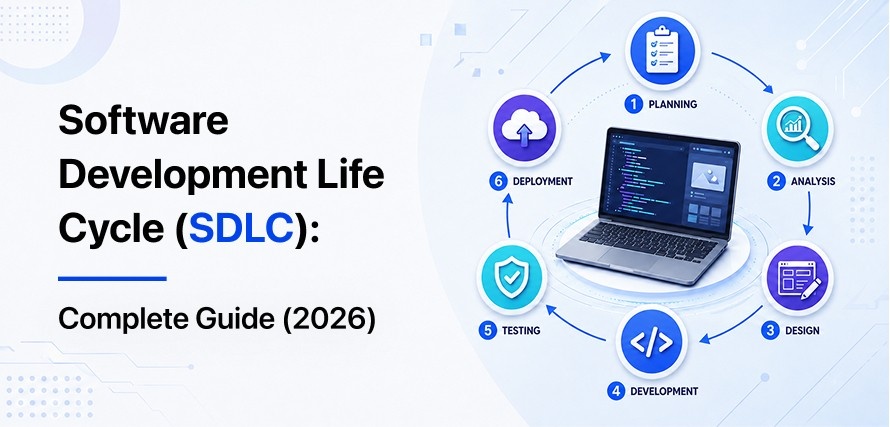
The Software Development Life Cycle (SDLC) is a structured process that divides software development into six core phases.

Each phase builds on the previous one. Requirements are translated into a system design, the design is developed into code, the code is tested to ensure quality, and the final product is deployed and maintained.

Although different SDLC models use either a linear or iterative approach, they all follow the same core stages to deliver reliable, high-quality software.

Phases of the Software Development Life Cycle

Every SDLC model follows these core software development phases, whether it’s Waterfall, Agile, DevOps, or Secure SDLC.

1. Requirements Gathering and Analysis

This phase defines what the software should do and what the business needs to achieve. Stakeholders, business analysts, and developers gather functional requirements, user needs, technical constraints, budgets, integrations and compliance requirements before development begins.

For example, a merchant building a B2B portal may require wholesale pricing, minimum order quantities, and inventory integration. Defining these requirements early helps prevent costly changes later.

Poor requirement planning is one of the leading causes of project delays and scope creep.

2. System Design

Once the requirements are finalized, the development team creates the technical blueprint.

This includes the software architecture, database design, APIs, infrastructure, and third-party integrations needed to build the application. A well-designed system is easier to maintain, scale, and secure as the business grows.

3. Development (Coding)

During this phase, developers write the application’s code based on the approved design. Modern teams typically use Git and platforms like GitHub for version control and collaboration.

Most teams also perform code reviews before merging changes to improve code quality, maintain consistency, and identify issues early.

4. Testing

Before deployment, the software is tested to verify that it works as expected and meets business requirements. A product may pass technical tests but still fail if it doesn’t solve the intended business problem, making User Acceptance Testing (UAT) an essential step.
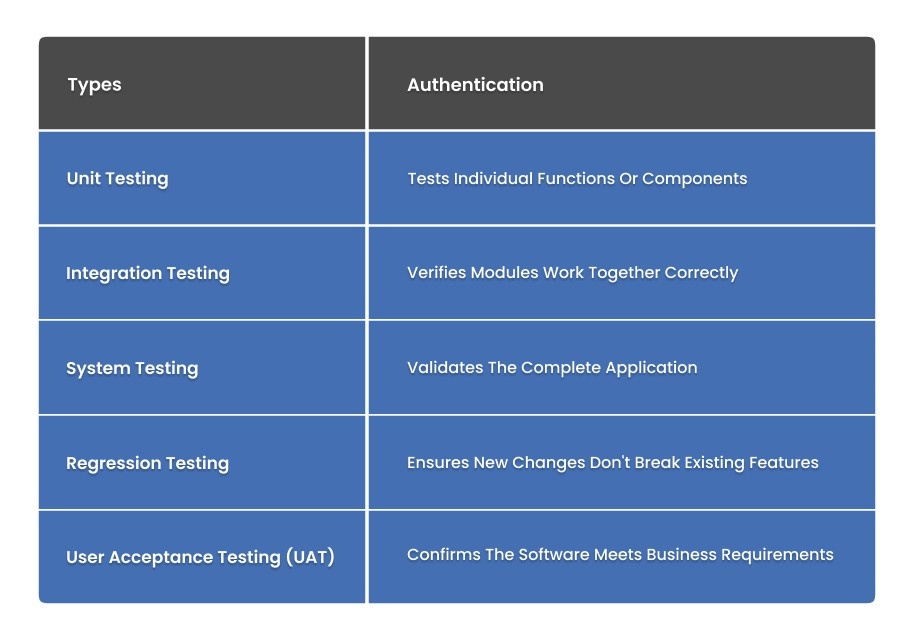
Software testing types

5. Deployment

After successful testing, the software is released to the production environment. Many teams use CI/CD (Continuous Integration and Continuous Deployment) to automate deployments, enabling faster, safer, and more reliable releases. Techniques such as staged rollouts and feature flags help reduce deployment risks.

6. Maintenance and Monitoring

Software development continues after launch. This phase includes fixing bugs, monitoring performance, applying security updates, and delivering new features based on user feedback.

DevOps practices help development and operations teams collaborate efficiently to maintain software reliability and respond quickly to issues.
Stop Managing Chaos. Build with Clarity. Get scalable, high-quality software with a proven SDLC.

SDLC Models: Which Framework Fits Your Project?

Not every project follows the same software development life cycle model. The right approach depends on project requirements, complexity, and how frequently changes are expected.

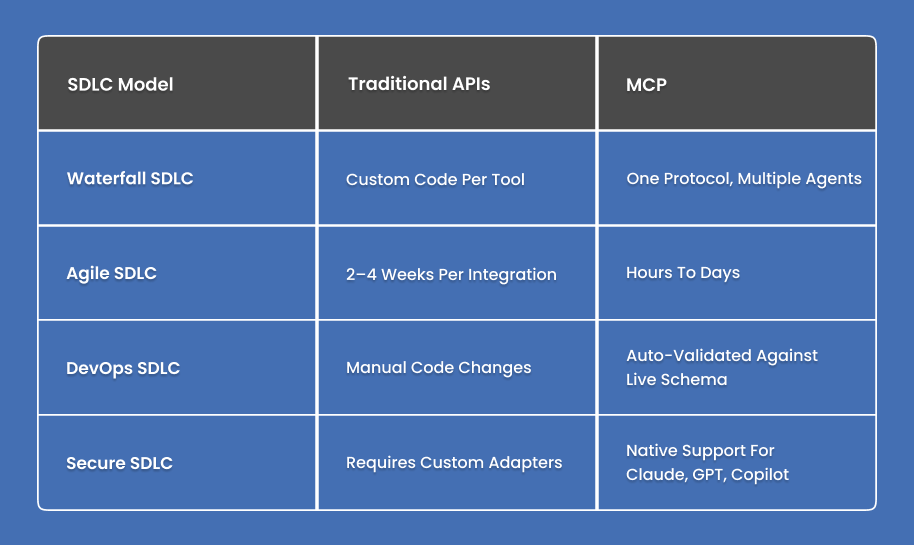
SDLC Module Table

Waterfall SDLC

Waterfall is a traditional sequential model where each phase is completed before the next begins. It works best for projects with stable, clearly defined requirements but offers limited flexibility when changes occur.

Agile SDLC

Agile divides development into short iterations called sprints, allowing teams to release features regularly and improve the product based on continuous feedback. It is widely used for modern eCommerce projects where business needs evolve quickly.

DevOps SDLC

DevOps combines development and operations with automation through CI/CD pipelines. It enables faster releases, improved collaboration, and more reliable deployments, making it ideal for applications that require frequent updates.

Secure SDLC

Secure SDLC (SSDLC) integrates security into every stage of software development through practices such as threat modeling, code analysis, and security testing. This approach helps protect sensitive data and supports compliance requirements instead of treating security as a final step.

SDLC vs. STLC: What's the Difference?

Although both are essential in software development, SDLC (Software Development Life Cycle) and STLC (Software Testing Life Cycle) have different roles.

SDLC manages the entire software development process, while STLC focuses specifically on planning, executing, and validating software testing.

SDLC

The Software Development Lifecycle covers every stage of a software project, including requirements gathering, system design, development, testing, deployment, and ongoing maintenance. Its goal is to deliver high-quality software efficiently and consistently.

STLC

The Software Testing Life Cycle (STLC) is a subset of SDLC that focuses entirely on software testing. It includes test planning, test case design, test execution, defect reporting, and validation to ensure the application meets quality standards before release.

Key Difference Between SDLC and STLC

The main difference is that SDLC manages the complete software development process, while STLC manages only the testing activities within that process. In simple terms, every STLC is part of an SDLC, but SDLC involves much more than testing alone.

Plan Better, build Smarter. Launch Faster. Partner with SolCoders for a structured SDLC tailored to your business goals.

How Long Does the Software Development Life Cycle Take?

There is no fixed timeline for the Software Development Life Cycle (SDLC). The duration depends on factors such as project scope, technical complexity, team size, business requirements, and stakeholder feedback.

Small software projects typically take 4 to 8 weeks to complete. Mid-sized solutions, such as custom eCommerce platforms, B2B portals, or customer dashboards, usually require 2 to 4 months. Large enterprise software projects often take 6 to 12 months or longer, depending on their complexity and integration requirements.

Clear planning and well-documented requirements play a major role in keeping an SDLC project on track. They reduce misunderstandings, prevent unnecessary rework, and improve delivery timelines. 

What has the Biggest Impact on an SDLC Timeline?

The biggest factor affecting an SDLC timeline is the planning phase. Projects with clear requirements, a well-defined scope, and a structured development roadmap are more likely to stay on schedule, reduce costly rework, and deliver software that supports business goals. 

If you’re still deciding whether custom software is the right choice, compare the build vs buy approach before committing to an SDLC model. It also helps to understand development costs at each stage so you can plan a realistic budget and timeline.

SDLC Best Practices for eCommerce and SaaS Teams

Define Project Requirements Clearly

Document business requirements before development begins. Clear documentation reduces misunderstandings, prevents scope creep, and keeps the project on schedule.

Choose the Right SDLC Model

Select an SDLC model based on your project requirements, business goals and team workflow rather than following industry trends.

Automate Testing Early

Use automated testing wherever possible to identify bugs early, reduce regressions, and improve software quality before deployment.

Build Security Into the SDLC

Integrate security throughout the development lifecycle, especially when handling customer data, payment processing, or other sensitive information.

Plan for Ongoing Maintenance

Include maintenance, updates, bug fixes, and performance improvements in your project plan to keep the software reliable after launch.

Use Version Control and Code Reviews

Implement version control and regular code reviews from the start to improve collaboration, maintain code quality and reduce development risks.

How SolCoders Applies SDLC to Real Projects

At SolCoders, we adapt the Software Development Life Cycle SDLC to each project’s goals, complexity, and technical requirements. 

Every stage, from planning and system design to development, testing, deployment, and maintenance, follows a structured process to reduce risks and improve delivery.

For projects with evolving requirements, we use an Agile SDLC approach to deliver features in iterative releases. For enterprise solutions that require higher levels of security and compliance, we incorporate Secure SDLC practices throughout the development lifecycle.

This approach supports end-to-end software development, including developing mobile apps, web applications, eCommerce platforms, and enterprise systems, while maintaining consistent quality and predictable project outcomes.

Final Thoughts

The Software Development Life Cycle (SDLC) is the foundation of successful software development. By choosing the right SDLC model, whether Agile, Waterfall, DevOps, or Secure SDLC, businesses can reduce risks, control costs, improve quality, and deliver projects more efficiently.

If you’re planning custom software, a mobile app, or an eCommerce solution, SolCoders follows a proven SDLC to deliver high-quality solutions with clear processes, predictable timelines and reduced development risks.

No matter the size or complexity of your project, a well-defined development process lays the foundation for successful software delivery. That’s the approach SolCoders brings to every project.

SolCoders combines innovation and technology to deliver scalable, high-performance software solutions that streamline operations and accelerate digital transformation

In This Article

    Frequently Asked Questions:

    What is the best SDLC model for software development?

    The best SDLC model depends on your project requirements. Agile is ideal for changing requirements, while Waterfall works best for projects with a fixed scope. DevOps and Secure SDLC practices can be integrated to improve continuous delivery and application security.

    The core phases are requirements gathering, system design, development, testing, deployment, and maintenance.

    Each phase produces a deliverable that feeds into the next. Requirements inform design, design guides development, and development is validated through testing before deployment and ongoing maintenance.

    SDLC covers the full software project lifecycle, while  STLC is a subset focused specifically on the testing phase.

    Secure SDLC integrates security into every stage of software development. It includes secure coding, code reviews, vulnerability testing, and risk assessment to identify and address security issues before deployment.

    Related Blogs

    Book a 30-minute call with our experts.